We were big fans of America style Thai food before we traveled to Thailand, but now that we have been here for a couple of months, we have grown to appreciate the subtly of flavors that fresh ingredients and a skilled hand in the kitchen can make. In this article will explore the ingredients and walk through the preparation of one of the stapes of any Thai menu, Green Curry Chicken.
First about the ingredients:
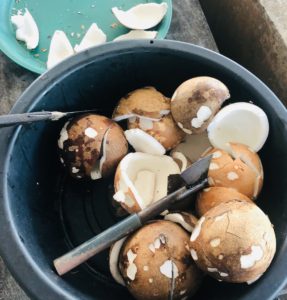
- Coconut Cream and Coconut Milk: while we were at the open market this morning we watched a lady preparing coconut cream.
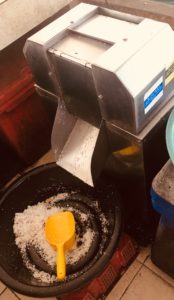
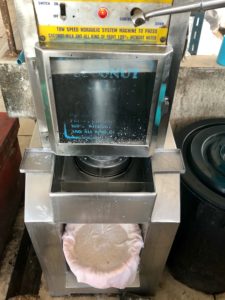
- Large chucks of fresh coconut were fed into a machine that looked like a miniature wood chipper. Chunks of coconut in the top, shredded coconut into a collection pan at the bottom.
- The shredded coconut was then spooned into a cloth bag and placed into a press. The resulting thick liquid, rich coconut crème, was collected in a bucket under the press.
- This was then bagged up and presented to us to take home. 400 mls of coconut crème (about 13 ounces) costs us $0.60 USD
-
-
- Some notes:
- To get coconut milk, just add some water to the shredded coconut and run it through the press again.
- You can get about the same results at home by running fresh coconut through the food processor and then squeezing the results through a clean dish towel or cheesecloth.
- Don’t try to use store bought products such as Crème de Coco as this has added sweetners and will throw off the taste of your curry. Save the Coco Lopez for making Pina Coladas.
- Some notes:
-
- Chicken: breast meat, the fresher the better! The chicken we buy at the outdoor markets today was probably running around the yard this morning.
- Green Curry Paste: given the extremely limited kitchen and the availability
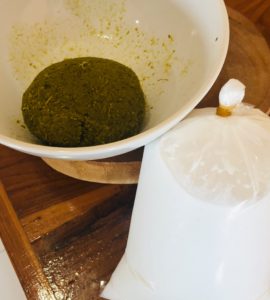 of so many fresh curry paste options, we have opted to purchase our curry paste.
-
- At home we would probably have made it from scratch using dry
ingredients (coriander seeds, cumin seeds, black peppercorns, salt) and fresh ingredients (garlic, Thai ginger, turmeric, kaffir lime peel, lemongrass, shallots, coriander root, sweet basil leaves and green “birds eye” chilis).
- At home we would probably have made it from scratch using dry
-
- Eggplant: unlike many ingredients that are just used for flavor while cooking and then discarded, eggplant adds not just flavor but also texture and substance to the curry. There are many different kinds of Thai eggplant, some look like small cucumbers, while others are the size of large marbles and still
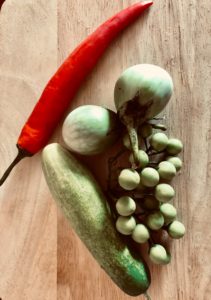 others are about the size of large green peas. Mix them up and have fun.
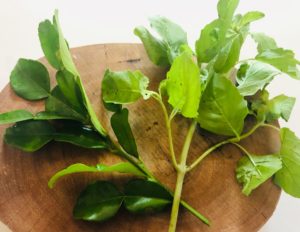
 - Kaffir Lime Leaves: the kaffir fruit is from the citrus family, but unlike lemons or limes it has a tough bumpy skin which is used in making curry paste. The leaves are used for flavor (the hard center stalk is removed the edges of the leaves are added). Much like bay leaves in Italian cooking, the leaves are removed after cooking. The inside fruit has a very bitter orange taste and is not commonly used for cooking.
- Red Chili: in the case of green curry, sliced red chilis are used mainly as garnish. The green curry paste has several small green “birds eye” chilis added during its preparation, the more chilis the spicier the paste.
- Since we’ve been here we have learned that chilis are used to compliment the flavor of Thai food. Food that is too spicy is not properly balanced. The addition of chili should not be used as a test of manhood or as a punishment for eating Thai food.
- Palm Sugar: we were actually a bit surprised to learn how often sugar is used in Thai cooking. Thick
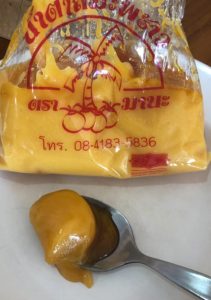 creamy Palm Sugar (called coconut sugar locally) is almost the consistency of peanut butter and is used to sweeten curry, salads and desserts. If you cannot get palm sugar you can substitute brown sugar or raw honey.
 - Sweet Basil Leaves: basil leaves come in any different forms such as
 honey basil, lemon basil or even Holy Basil “Holy Basil batman!”.
 - Green Beans: these are optional, but we like them in our curry. Thai green beans tend to be much longer than American style green beans, but either kind will work.

- Fish Sauce: fish sauce is a staple of much of Thai
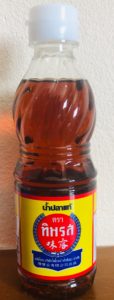 cooking and can easily be found in grocery stores around the world. Fish sauce is best when fresh and unlike wines, it does not get better with age. If you have a open jar of fish sauce that has been in your cabinet for years, get rid of it and buy a fresh one!
The Recipe: (serves two):
• ½ cup coconut cream
• ½ cup coconut milk
• 1/3 to ½ cup chicken breast chopped into small cubes
• 1 tablespoon green curry paste
• Eggplant (1 large and 3 or 4 small, stemmed and cut up)
(If you have them you can throw in a small handful of the pea sized as well)
• 1 Kaffir Lime Leaf: fold in half and strip out the hard center stem
• ½ tablespoon of palm sugar
• 2 or 3 green beans cut into 2 inch sections
• 1 large red chili, cut into thin strips
• 1 tablespoon full of fish sauce
• 1 cup of jasmine rice, cooked.
Preparation is shown in the video below.
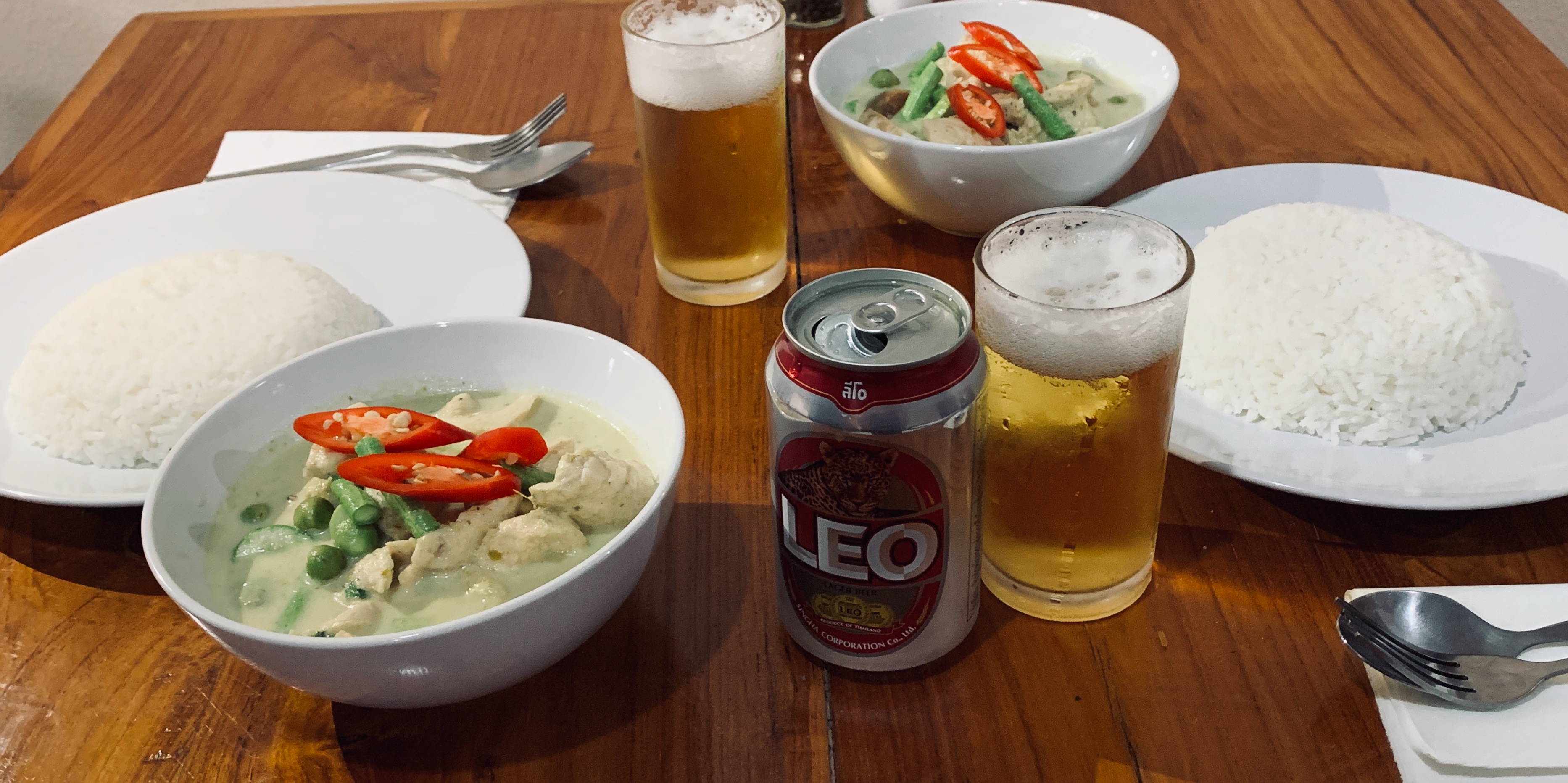
Serving suggestion: place half of the cooked rice into a plate and half of the curry into a small bowl for each person. Garnish the curry with the strips of red pepper. Service with an icy cold Thai beer such as Leo or Singha. Enjoy!
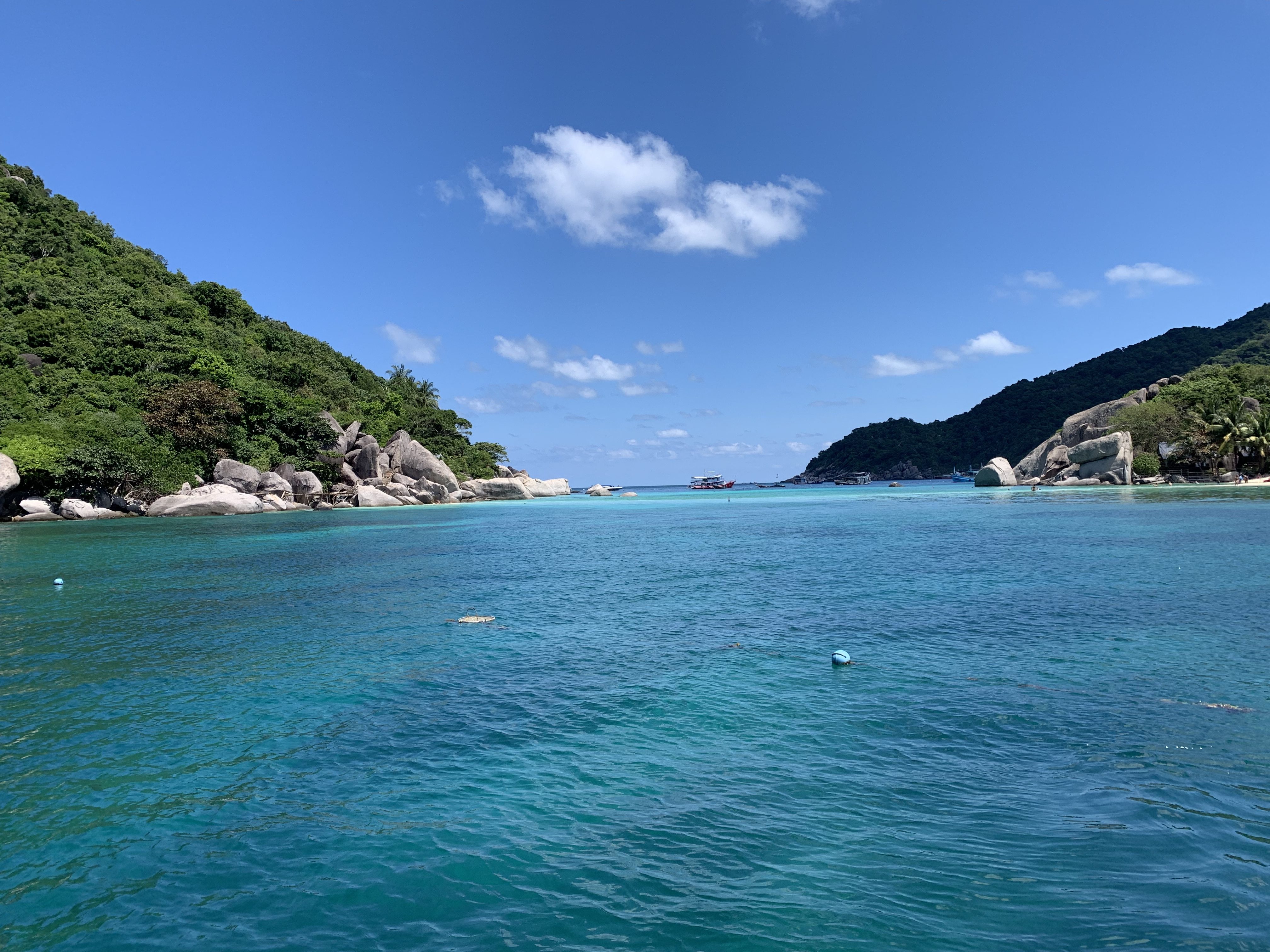
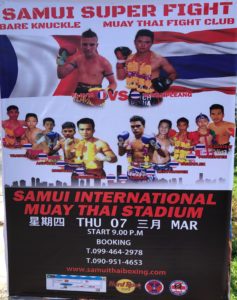 Chewang beach is the most famous of the many beaches on the Island. It also the home to the most active nightlife, beach clubs and the party scene. There is a large Muay Thai fighting arena in the area, so on a regular basis you see panels vans with giant speakers blasting advertisements for the fights “TOMORROW NIGHT, TOMORRRROW NIGHT! The best Muay Thai fighters on the island compete….”
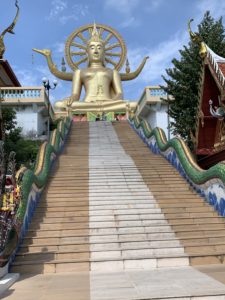 It is hard to go anywhere in the primarily Buddhist country without seeing alters to and images of the scared Buddha. As it’s name suggests, the one we went to see was big, we mean really big. It is located at the center of a Buddhist temple and it is quite amazing to see.
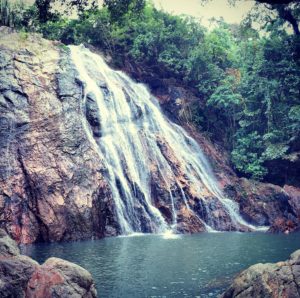 There are actually two sets of waterfalls in Na Mueng, creatively named 1 and 2. Both sets of falls were actually really pretty but number 2 is much more interesting to get to. Regardless of how you get up the hill (either a 20 minute walk up some pretty steep hills or a paid 4 wheel drive truck ride), everyone has to hike to the top of the falls and that includes a really interesting (scary) Indiana Jones style suspended bridge that was made from scrap lumber and old rope.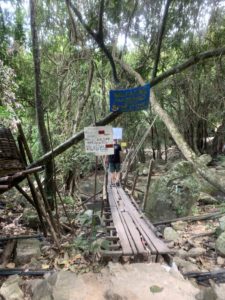

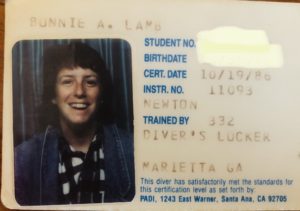 In 1986, when the world was sill young, we got certified as open water scuba divers by the
  Since we are in the Islands of Thailand for almost two months it seemed like to perfect opportunity to try it again.
 On the day of our refresher we arrived at the dive shop to meet our instructor, a master diver named Kurt from New Zealand. We spent the first 45 minutes doing paperwork and then talking through how the refresher was going to work. We also reviewed all of the classroom stuff we learned so many years ago.
 The next morning our driver was waiting for us in the parking lot of our hotel with a big smile on his face. He drove us to the scuba shop where we had one of the most complete dive briefings ever. Every little detail of the trip was covered. That would typically be the time that any other dive shop would have had you assemble your gear and carry it and the extra tank down to the boat, but not at 100 Degrees East – our gear was all set up and waiting for us on the boat. They even remembered to swap out Bonnie’s regulator mouthpiece to a kids size to make it more comfortable for her.
 Kurt, our instructor from the day before was there with us and ended up being our private guide for our dives. What luxury to have someone with you who knew all the best spots. Gear on with lots of help from the boat crew, buddy checks done and then it was into the ocean, which was a balmy 27 degrees C. (about 80 degrees F).
 As soon as we came back on board the boat the crew took our gear for us and set it up for the next dive. Meanwhile we were immediately offered cold water and fresh watermelon.
 Our second dive was clearer that the first, and we had a great time with almost an hour of downtime on relatively shallow (20 to 30 feet) reefs. Schools of fish, rays, and lovely live coral beds.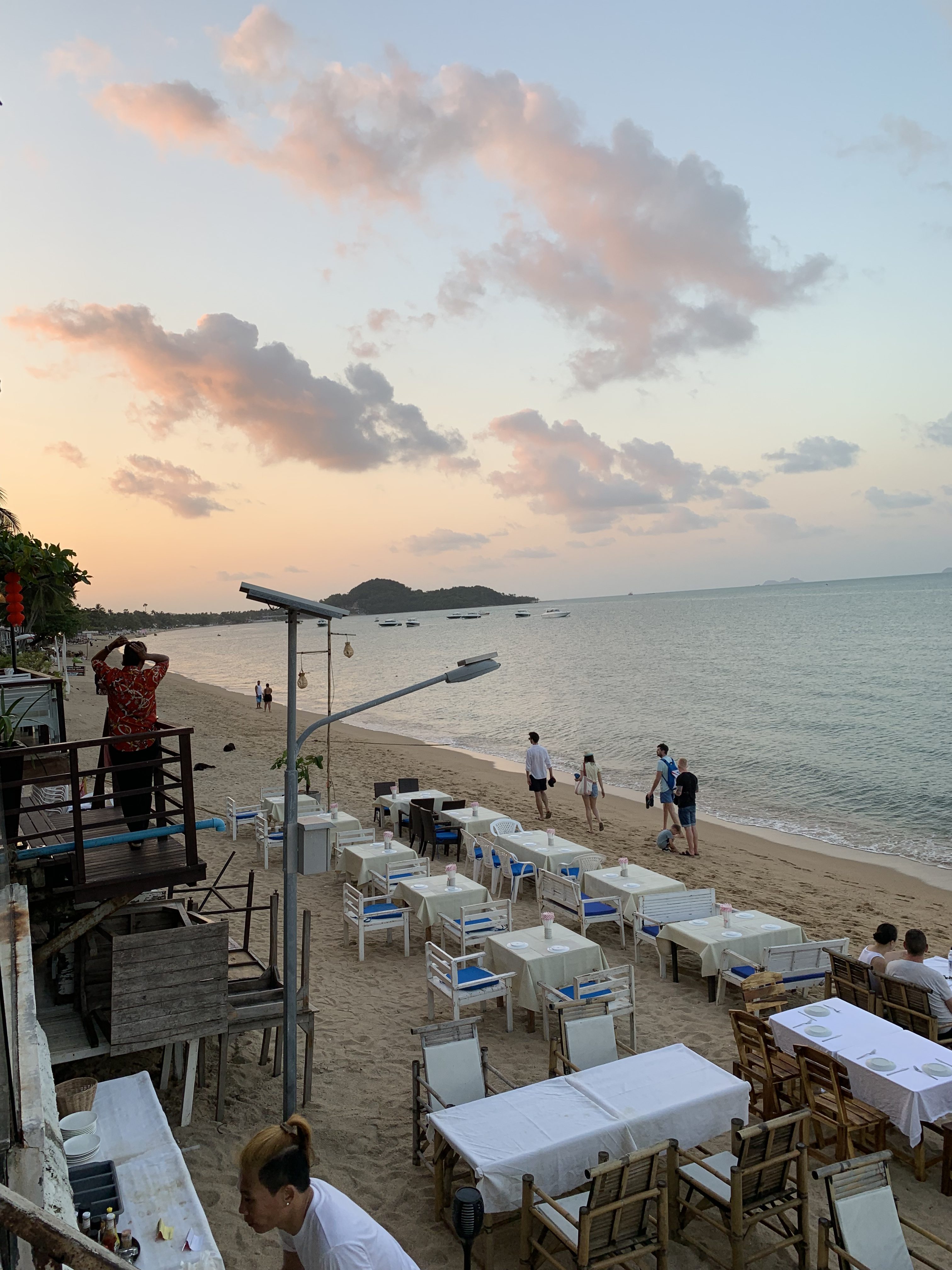
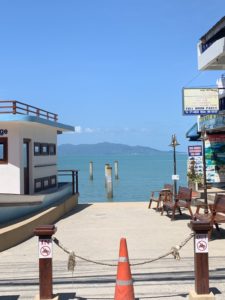
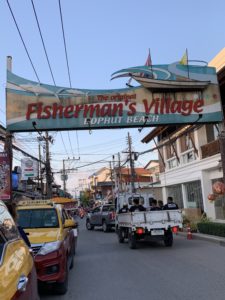 speed. So we made our way up to the top of the Island to an area called Bophut, and more specifically the
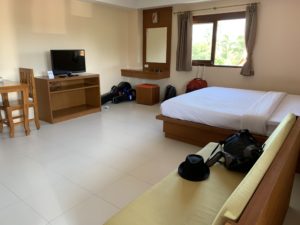
  For those who are planning a longer stay and are willing to live a five minute walk to the beach; you can get a serviced mini apartment for around $10 USD a day when you commit to a month.
 For Longer Stays: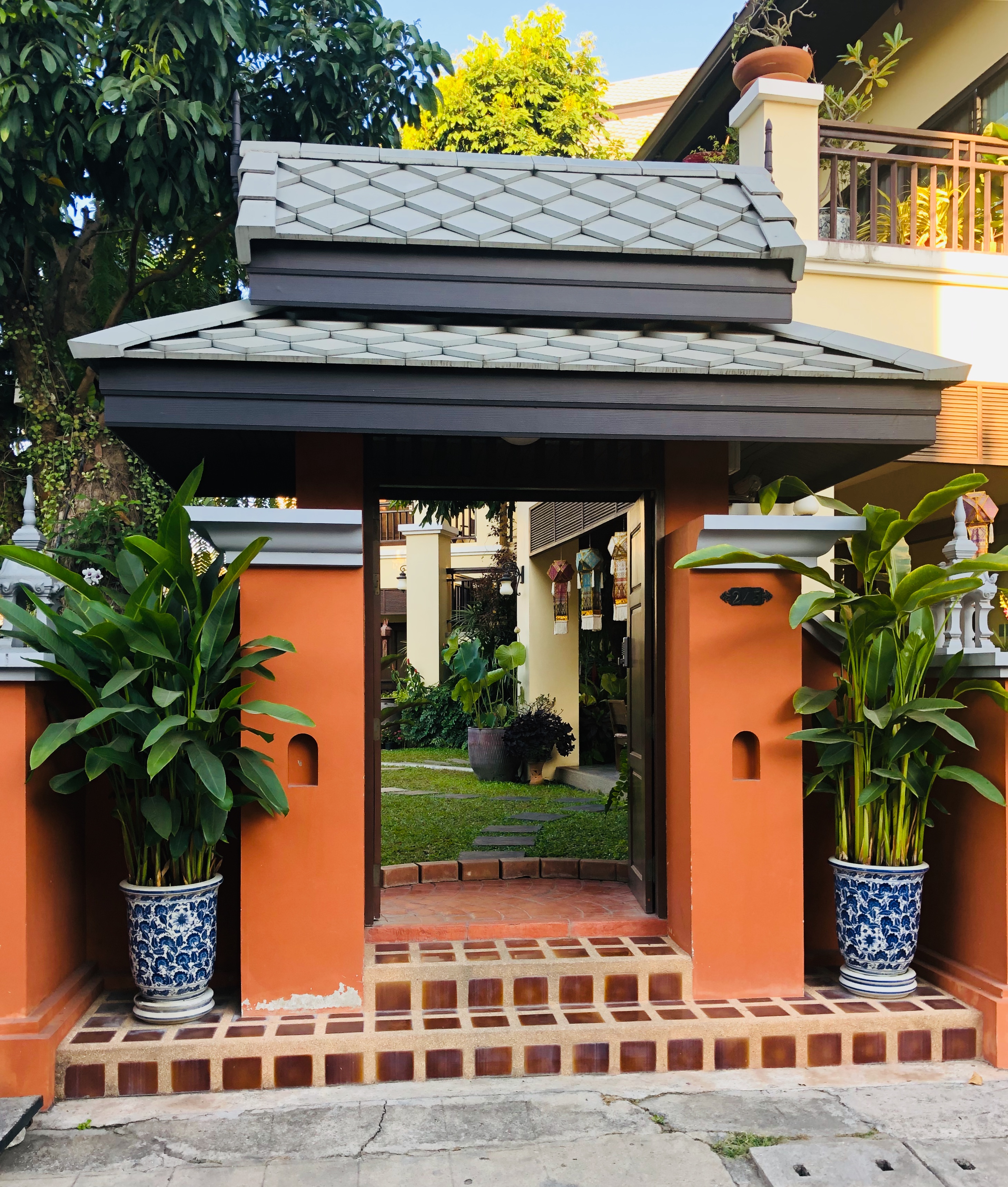

 In the midst of all this deferred maintenance there is an oasis called the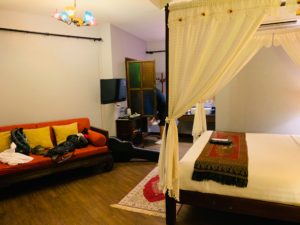
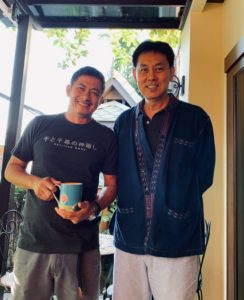 The hotel is managed by two delightful gentlemen one named Thep and the other his cousin Poo (along with a myriad of other cousins). Together they great guest, help with baggage and keep the hotel polished and shining. We were really surprised to hear that the place has been open for 5 years, because everyting looks so brand new.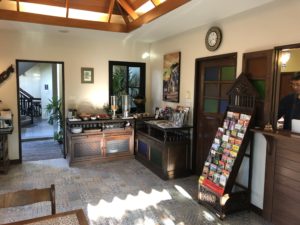

 As with the elephants, we were picked up at our
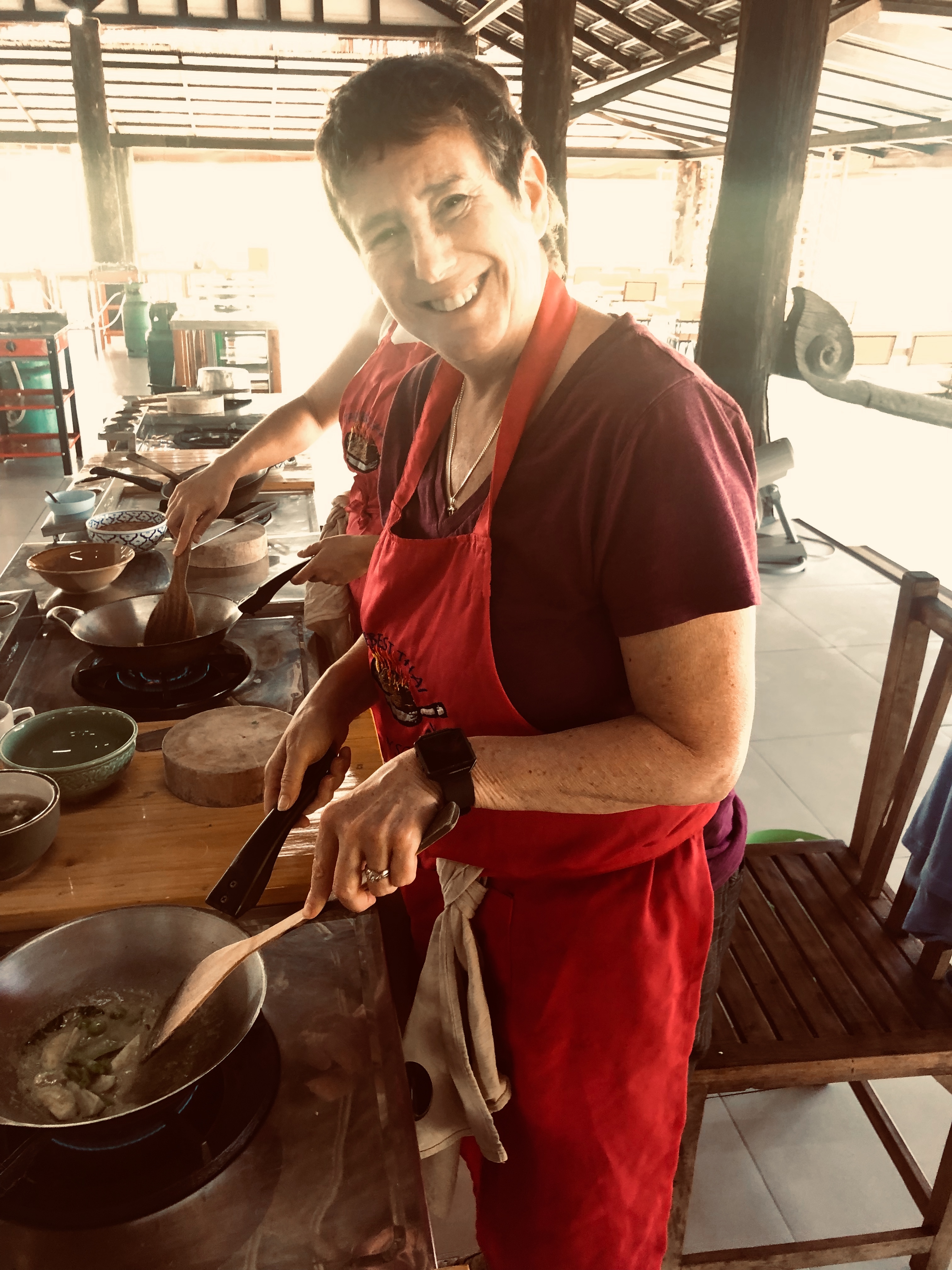
 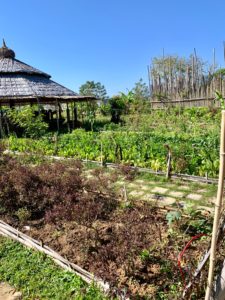 After a tour of the garden we were led into the main school where we were each assigned our own cooking station compete with utensils, a burner, chopping block and several different types of pans and woks.
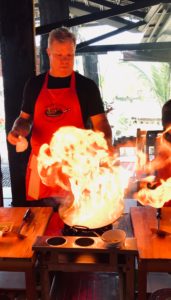 As each dish was completed it went under our bench while we worked on the next. During our first snack break we got to enjoy our soup. At one point in the prep, we were shown how to inject a bit of flair with a flaming presentation of the stir fry.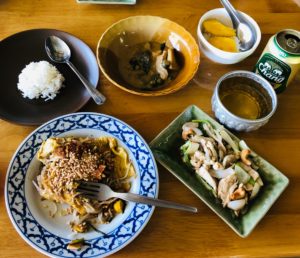
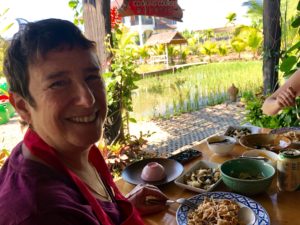 I am sure that it will not surprise anyone who knows us to hear that that ride back to your hotel was followed by a nice long nap…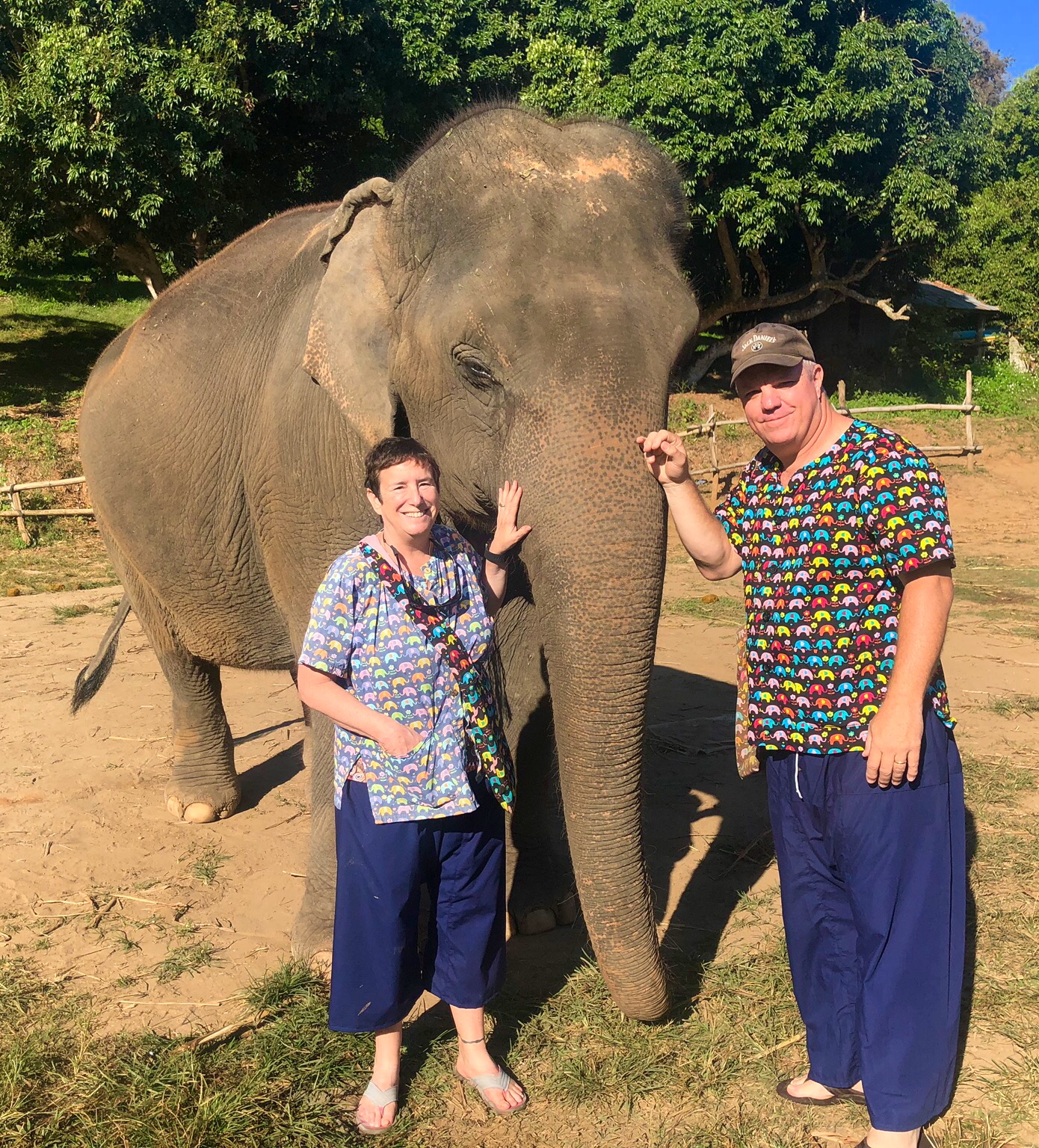
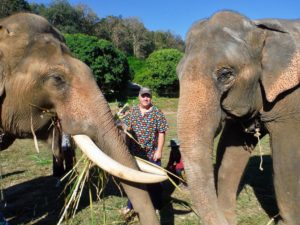 Nothing can prepare you for the experience of spending time with these gentle giants, but we will endeavor to provide some detail about the experience. As a tourist you must be aware that there are two types of elephant experiences available, one involves riding the elephants on a jungle trek of sorts and the other is visiting a sanctuary to interact with them in a more caring way. We will not lecture on either path, but suffice it to say we chose to visit a sanctuary.
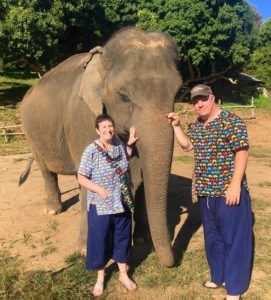 Once outfitted the group of about 15 of us looked like rodeo clowns ready to hit the circuit. Our guide then spent some time explaining to us that the elephants we were going to be interacting with were domesticated and were used to being around humans. They also advised that they were very curious and nimble with their trunks, so we needed to hang on to our phones lest the elephants grabbed them from us to take a selfie. Other simple rules: don’t run away from the elephants because they may see you running and chase you. Stay out from under their feet, and try and stay in their field of vision so they can be aware of you and where you are.
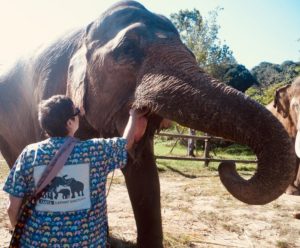 After our “getting to know you” period in the fields, we retired to a small pagoda for a lesson on elephant eating habits and differences between wild and domesticated diets. We learned that domesticated elephants do not get the robust diet that wild elephants do and as such require supplements. We then where taught how to create large meatball sized lumps of supplements that included bananas, tamarind, vitamins and more. With our tray full of “meatballs” we headed out again to feed the elephants, but unlike before when they took the snacks from us with their trunk, we placed the vitamin balls directly into their mouths. You have never lived until you have stuck your hand into an elephants mouth and placed a meatball near the back of her tongue. A shout of “Bom-Bom” would cause the elephant to open wide to accept the sticky treats….
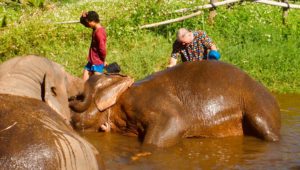 With their bellies full it was time for a bath so we all headed down to the lagoon where the elephants plopped down and rolled over and gleefully lounged as we poured buckets full of water over them and scrubbed their hides with soft bristle brushes. Occasionally one of them would trumpet and shoot a spray of water through their trunks giving everyone in the area a nice cool shower.
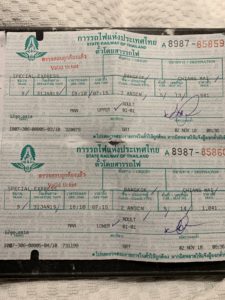 We booked our tickets (USD $41 each) via
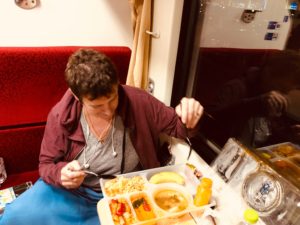
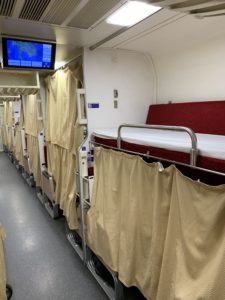
 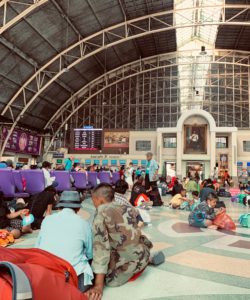 The waiting area at the train station was huge. People from all over the world were seated, mostly on the clean floor, in groups waiting to board trains. Once your train shows up on the big board, you drag your bags down the platform until you find your car number as indicated on your ticket. From there it is up and into the train to look for your assigned seats. Couples traveling together should try and book upper and lower berths. In our case it was car 5 seats 13 (lower) and 14 (upper). Every berth is equipped with a power outlet to let you charge your phones, tablets etc. The plugs are the same in Thailand as they are in the USA, and also have European slots built in.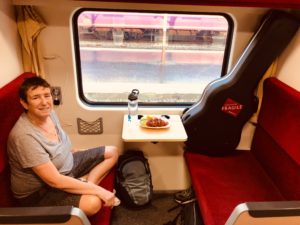
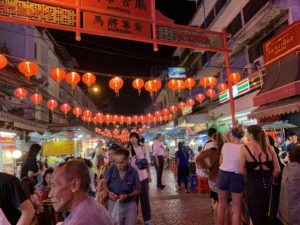 Around 6pm we hopped on the subway to Bangkok’s famous Chinatown. It was a bustling swirl of color, and smells and crowds. We wandered the streets for about an hour and decided it was finally time to eat…
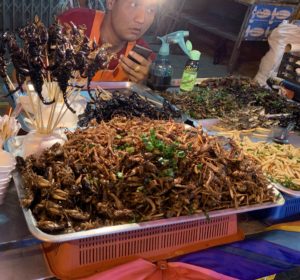 no we did not try the bugs!
 The next morning we headed out to see the Grand Palace. We hopped onto the Skytrain, connected to the subway and finally boarded a riverboat ferry to the Old City. As we started across the street towards the palace we we stopped by the inevitable tuk tuk driver offering to take us to all the sights and sit and wait while we wandered around and took photos for a mere 500 baht. We decided it seemed worth it, so we climbed in.
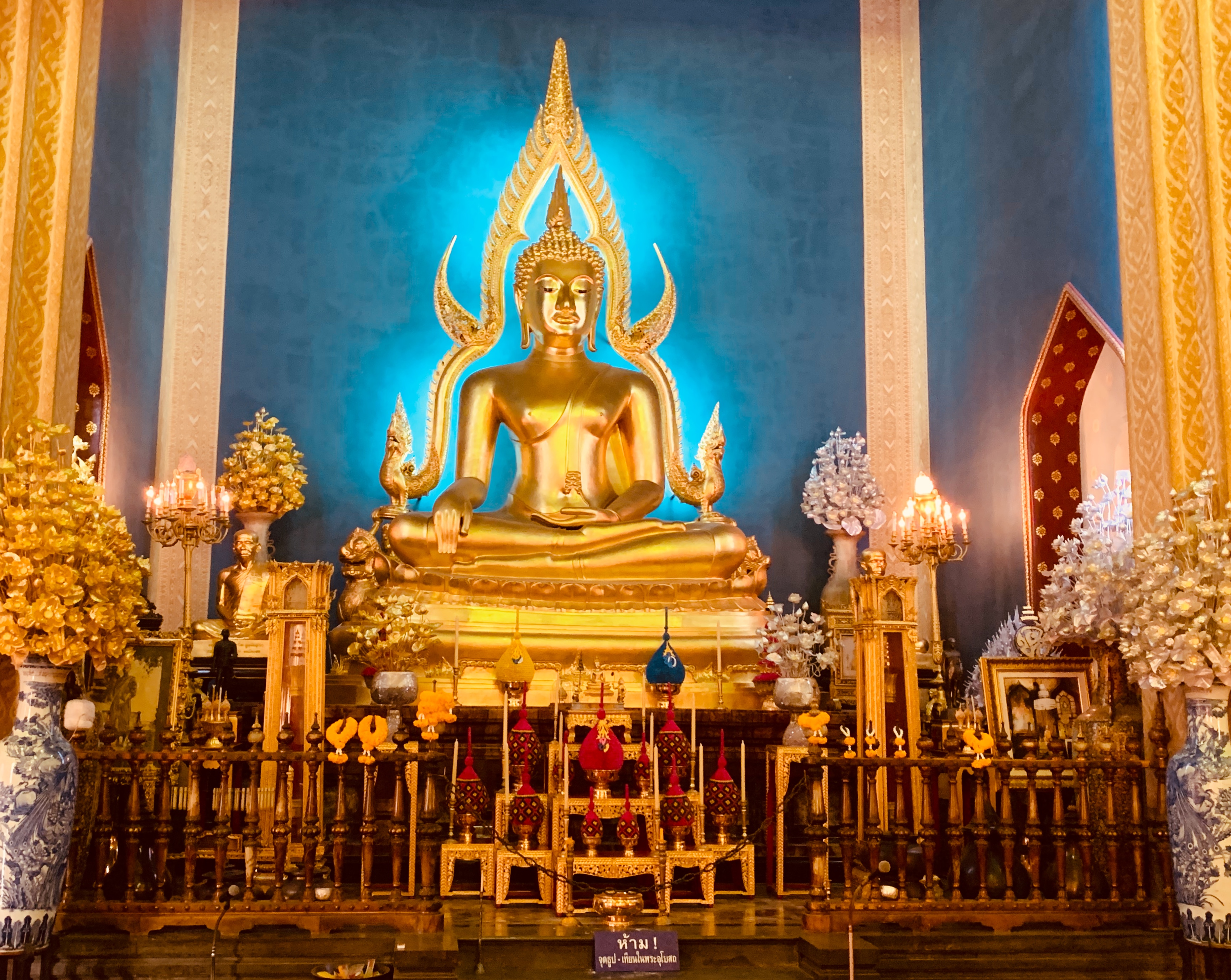
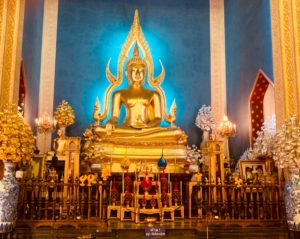 First stop was the sitting Buddha followed by the Grand Bhudda followed by a “short stop” at a jeweler in
 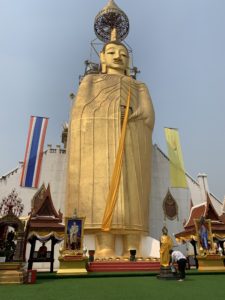 between…it seems that shop owners offer the tuk tuk drivers fuel vouchers to bring potential customers to them. Since we were just touring the city with no real schedule, we decided to go along for the ride. After the Grand Bhudda we stopped at the tailor to have some clothes made – cause that’s what you do in Thailand, right?? All the while James, our driver, sat and waited…
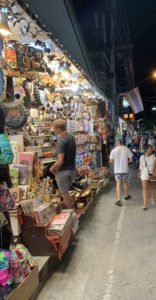 stall selling every tchotchke and food you could ever imagine (an